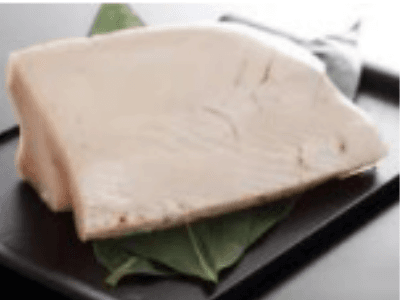
Frozen Belly Swordfish Mekajiki Toro (5-7kg) 凍肚劍魚 perut Ikan Todak
Specifications
Description
Frozen Belly Swordfish (Mekajiki Toro) – Premium Japanese Swordfish Belly for Malaysian HORECA Supplied by Senri (M) Sdn Bhd, Frozen Belly Swordfish or Mekajiki Toro (メカジキのトロ) is a 5–7 kg frozen slab of Japanese swordfish belly – one of the most prized and rarely available cuts in Japanese seafood cuisine. "Mekajiki" (メカジキ) is the Japanese name for swordfish (Xiphias gladius), and "toro" (トロ) refers to the fatty belly section, in the same tradition as the celebrated maguro toro (bluefin tuna belly). Mekajiki toro is rich, buttery, and deeply flavourful, offering a premium alternative to tuna toro for HORECA operators seeking exclusive Japanese seafood experiences. 1. What is this product? Mekajiki Toro is the fatty belly section of swordfish, yielding an exceptionally rich and luscious texture due to its high intramuscular fat content. Unlike regular swordfish loin, the belly cut is prized for its melt-in-the-mouth quality when served as sashimi, aburi (torched), or in hot preparations. Available in a 5–7 kg frozen block, it is designed for professional HORECA operators who can portion the slab for multiple service occasions. 2. Product Category Frozen premium Japanese seafood – swordfish belly cut. Classified as a luxury fish belly product in the same premium tier as tuna toro and buri toro. May be used for sashimi, aburi, or cooked preparations. 3. Who is this product for? Omakase restaurants, premium sushi bars, high-end Japanese dining establishments, hotel Japanese restaurants, and HORECA operators looking to offer an exclusive, rarely-seen Japanese seafood experience that differentiates them from standard Japanese menus in Malaysia. 4. Cuisine Type and Authentic Context Mekajiki is used in Japanese cuisine for sashimi, sushi, grilling (shio-yaki), and teriyaki preparations. The toro cut – the belly – is the most coveted section, comparable to how chutoro and otoro are prized from bluefin tuna. In premium Japanese dining, mekajiki toro is featured as a special seasonal item, often highlighted as "chef's selection" or as an omakase course component. Its rarity in commercial supply gives it natural exclusivity on any menu. 5. Commercial Value for Malaysian HORECA Mekajiki toro is an extremely rare product outside of Japan. By offering it on your menu, you immediately signal to diners that your establishment sources unusual, premium Japanese seafood beyond the standard salmon-tuna-hamachi trio. This exclusivity drives premium pricing, media attention, and word-of-mouth marketing among Japanese food enthusiasts in Malaysia. 6. How to Use Thaw under refrigeration at 0–4°C for 24–48 hours given the large block size (5–7 kg). Do not thaw at room temperature. Once thawed, portion the block into serving cuts using a sharp Japanese yanagiba knife: sashimi blocks (saku) of 200–300 g each for daily use. For sashimi: slice against the grain at 5–8 mm. For aburi: torch lightly with a kitchen burner and finish with ponzu or uni shoyu. For grilling: season with sea salt and grill skin-side down first. 7. Serving Size For sashimi: 5–6 slices per serve (100–120 g). For aburi: 4–5 pieces per serve (80–100 g). For grilled main course: 150–200 g per portion. 8. Yield Per Block From a 5–7 kg block, after trimming and portioning, expect approximately 4–5.5 kg of usable yield (80–85% yield). This yields approximately 35–55 sashimi servings (at 100 g per serve), or 25–37 grilled main course portions (at 150 g per serve). 9. Revenue Potential Mekajiki toro sashimi is a premium item that commands RM 28–55 per serve at high-end Japanese restaurants in Malaysia. As an aburi course in omakase, it may be priced higher as part of a tasting menu. From a 5 kg usable block, estimated revenue at RM 35 per sashimi serve is RM 1,225–1,925 per block. 10. Margin Example Assuming a block cost of approximately RM 300–500 for 5–7 kg (verify with Senri (M) Sdn Bhd), and 40 sashimi serves at RM 35 each, gross revenue is RM 1,400 against a food cost of RM 300–500, yielding a food cost percentage of approximately 21–36% — exceptional margins for a premium protein. 11. Commercial Positioning Position mekajiki toro as "Japanese swordfish belly – mekajiki toro" on your menu, using the Japanese term to convey authenticity. Its rarity in Malaysia means you can justify premium pricing without direct local price comparison. Feature it as a seasonal special or chef's selection to create urgency and exclusivity. 12. Outlet Benefits Mekajiki toro allows operators to offer an ingredient that very few Japanese restaurants in Malaysia carry. This creates a powerful competitive advantage, supports premium positioning, and attracts knowledgeable food enthusiasts who actively seek rare Japanese seafood experiences. It is a natural fit for omakase menus and tasting courses. 13. Menu Profitability Despite the large block format requiring bulk purchase, the high per-serve menu price and strong margin percentage make mekajiki toro highly profitable. The block can be portioned into daily-use saku blocks and stored frozen, ensuring minimal wastage across multiple service periods. 14. Storage Conditions Keep frozen at -18°C or below. Store the whole block frozen until needed. Once portioned saku blocks are cut, keep frozen at -18°C if not used within 24 hours. Do not refreeze thawed portions. 15. Shelf Life Frozen shelf life: typically 6–12 months from production date when stored at -18°C. Check the best-before date on the block upon delivery. 16. After Thawing / After Portioning Thawed saku blocks should be used within 24 hours for sashimi applications and within 48 hours for cooked applications. Keep refrigerated at 0–4°C between portioning and service. Do not refreeze thawed portions. 17. Handling Risks Large block portioning requires sharp, professional-grade knives and trained butchery skills. Cold chain discipline is critical given the large block size. For raw service, strict food safety protocols must be observed. Cross-contamination must be prevented with dedicated swordfish handling equipment. 18. Origin Japanese waters. Mekajiki (swordfish) is sourced from Pacific Ocean waters and processed to Japanese quality standards. 19. Certification and Halal Status Halal status should be verified with Senri (M) Sdn Bhd. As a natural fish product without pork-derived additives, it is generally considered suitable for halal consumption, but formal halal certification must be confirmed for operators serving halal-certified menus. 20. Allergens Fish (swordfish). May be processed in facilities handling other seafood. Check the product label for full allergen information. 21. Minimum Order Quantity (MOQ) Please confirm MOQ with Senri (M) Sdn Bhd via Supplybunny. Sold per block at approximately 5–7 kg per unit. This is a bulk purchase format suited to higher-volume premium outlets. 22. Reorder Frequency Given the large block size (5–7 kg), most operators will find a single block sufficient for 1–2 weeks of service at omakase or premium menu volume. Reorder timing should be based on your daily sashimi yield from each block. 23. Central Kitchen Suitability Excellent for central kitchen operations. The large block can be professionally butchered at the central kitchen into individual saku portions, vacuum-sealed, and distributed to satellite outlets for on-demand daily service, maximising freshness and minimising per-outlet storage demands. 24. Comparisons with Similar Products Compared to maguro toro (bluefin tuna belly), mekajiki toro is more accessible in cost while delivering a comparable buttery, rich texture with a distinctive swordfish flavour character. Compared to buri toro (yellowtail belly), mekajiki toro has a lighter colour and a more delicate fat distribution, making it visually and texturally distinct on the menu. 25. When to Choose This Product Choose mekajiki toro when you want to offer an exclusive, conversation-starting Japanese seafood experience that no standard menu provides. It is ideal for premium omakase counters, special event menus, seasonal Japanese dining promotions, and any outlet seeking to genuinely differentiate from competitors. 26. Alternatives If mekajiki toro is unavailable, buri toro (yellowtail belly) or maguro chutoro are the closest alternatives in terms of fatty, premium Japanese fish belly experiences, though neither provides the specific flavour profile of swordfish belly. Commercial Summary Frozen Belly Swordfish (Mekajiki Toro) from Senri (M) Sdn Bhd is one of the rarest and most exclusive Japanese seafood products available to Malaysian HORECA operators. At 5–7 kg per block, it provides exceptional yield and margin potential for premium restaurants, omakase counters, and hotel F&B operations looking to offer a truly distinctive Japanese seafood experience. Contact Senri (M) Sdn Bhd through Supplybunny to confirm pricing, MOQ, and halal certification.